
Inspections and Appraisals: How to Prepare Your Property and Avoid Delays
Whether you’re selling a home, buying an investment property, or preparing a rental for new tenants, inspections and appraisals can affect your timeline and your budget. Understanding what each involves—and preparing ahead of time—can help prevent avoidable setbacks.
At Fairway Realty, we believe understanding a property’s condition is just as important as understanding its value.
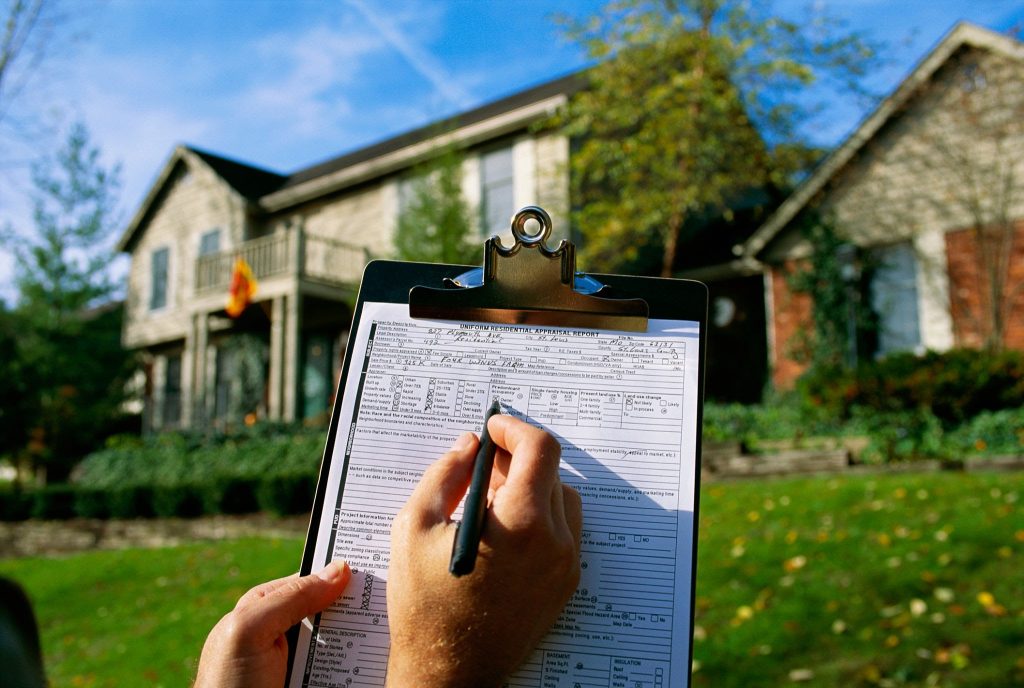
Appraisals and inspections serve different purposes
An appraisal provides an independent opinion of a property’s market value. When financing is involved, the lender uses that valuation to help determine whether the property supports the proposed loan. The appraiser considers the home’s characteristics and comparable sales. An appraisal does not guarantee the home’s condition or its future resale value.
A home inspection evaluates the property’s accessible systems and physical condition. It can identify problems with the roof, foundation, electrical system, plumbing, heating, and cooling. However, inspectors cannot see every concealed condition, and their report is not a warranty against future problems.
A private buyer’s inspection generally produces a report of findings rather than a universal “pass” or “fail.” A housing authority inspection, on the other hand, evaluates whether a rental meets the applicable program’s standards.
How inspections and appraisals affect a sale
An inspection report does not automatically require the seller to repair everything listed. Buyers and sellers may negotiate repairs, a credit, or a price adjustment. Any right to cancel depends on the purchase agreement, including its deadlines and notice requirements.
An appraisal can also identify repairs required by the lender or loan program. Even if the buyer accepts the home’s condition, the lender may require certain work before funding. A closing-cost credit does not necessarily satisfy that requirement.
If the appraisal comes in below the agreed price, the parties may need to revisit the price or financing arrangements. The seller is not automatically required to reduce the price, and the buyer’s cancellation options depend on the contract.
Our approach is to focus on significant defects, safety concerns, and expenses that could materially affect ownership. A loose cabinet handle and an active roof leak deserve different levels of attention.
Why passing a rental inspection the first time matters
For landlords participating in rental assistance programs, an unsuccessful initial inspection can mean additional repairs, another appointment, and a longer vacancy. It can also delay the tenant’s move.
Passing the first time helps keep the approval process moving, but rental assistance does not automatically begin on the inspection date. The start date also depends on the housing authority’s approval, the lease, the Housing Assistance Payments contract, and applicable program rules. Confirm the effective date directly with the administering agency.
Your pre-inspection preparation checklist
Use this checklist to identify common concerns before the inspector arrives. For an assisted rental, obtain the housing authority’s current checklist as well. Requirements can vary by program and property, and preparation cannot guarantee approval.
Walkthrough, utilities, and appliances
- Walk through the entire property before scheduling the inspection.
- Make sure utilities are on so equipment and fixtures can be tested.
- Confirm required appliances are present, properly installed, and working.
- Provide access to mechanical equipment, the electrical panel, and other inspection areas.
- Check for pests, accumulated trash, and conditions that could attract infestations.
Working appliances, plumbing, electrical systems, and appropriate heating are among the basic conditions reviewed for voucher-assisted housing.
Smoke and carbon monoxide alarms
Do not rely on a general rule that a smoke alarm within eight feet of a bedroom is sufficient. HUD guidance calls for smoke alarms on every level, inside each bedroom, and outside sleeping areas. Covered housing must use qualifying hardwired or sealed 10-year battery alarms, with hardwiring required in certain newer or substantially rehabilitated voucher units. Confirm the requirements for your property.
Check carbon monoxide alarm requirements whenever the property has gas, propane, or other fuel-burning equipment, or an attached garage. Placement matters: one alarm somewhere in the home may not be enough. HUD requirements address locations near sleeping areas and additional circumstances requiring alarms inside bedrooms.
Windows, doors, and ventilation
- Check that bathrooms have an appropriate operable exterior window or an exhaust fan vented outdoors.
- Confirm bedrooms have the windows and emergency escape provisions required by the applicable standards.
- Repair broken glass and windows that will not open, close, stay open, or lock as required.
- Check exterior door locks and keep exit routes clear.
- Replace double-key deadbolts on required exit doors with appropriate hardware that allows occupants to leave without an interior key.
These are common rental inspection concerns; confirm the exact requirements with the administering housing authority.
Electrical and plumbing
- Replace missing or damaged outlet and switch covers.
- Have exposed wiring and damaged electrical components corrected.
- Have three-prong outlets checked for proper grounding or an expressly permitted protective arrangement.
- Confirm required ground-fault protection is present and working.
- Repair water leaks and check sinks, tubs, toilets, and drains.
- Verify the water heater’s temperature-and-pressure relief valve has a properly installed discharge pipe.
Ask a qualified electrician or plumber to evaluate questionable conditions. Installing a three-prong receptacle alone does not establish a ground. HUD’s inspection standards address electrical protection, leaks, and water-heater safety.
Heating, stairs, and elevated surfaces
Confirm the permanent heating system works. Under HUD’s NSPIRE standards, unvented space heaters that burn gas, oil, or kerosene are not permitted.
Check all stairs for damage and secure handrails. Pay particular attention to flights with four or more risers, and confirm the applicable handrail requirement rather than assuming shorter flights need no protection.
Inspect porches, balconies, decks, and other elevated walking surfaces. HUD’s NSPIRE standards require guardrails where the vertical drop is 30 inches or greater. Handrails help people use stairs; guardrails protect against falls from open edges.
Peeling paint and older homes
For covered rental assistance housing built before 1978 where a child under age six will live, deteriorated paint can trigger lead-safety requirements. Check interior and exterior surfaces for peeling, chipping, cracking, or otherwise deteriorated paint.
Required corrective work may include paint stabilization, lead-safe work practices, and clearance testing. Clearance is not automatically required for every small paint defect; applicable thresholds and exemptions matter. Confirm the required process before disturbing potentially lead-based paint.
Prepare early and keep records
Addressing problems before an inspection gives you more time to arrange repairs and reduces last-minute pressure. Keep receipts, contractor reports, permits where applicable, and warranty information. Document agreed repairs and retain any clearance or reinspection results.
Many of these checks are useful for any rental or home sale, but housing assistance requirements should not be treated as universal rules for every property.
Whether you’re preparing a home for sale or getting an investment property ready for tenants, Fairway Realty can help you understand the next steps and coordinate with the appropriate professionals.